The #1 LCP Optimization Agency
Expert Largest Contentful Paint (LCP) Optimization Services
Hero image delivery, server response tuning, render-blocking elimination, resource prioritization, and Critical CSS engineering — engineered for sites that need LCP under 2.5 seconds to pass Core Web Vitals and rank higher.
Largest Contentful Paint (LCP) is the single most visible Core Web Vital — it measures how fast the main content element renders in the viewport. Google requires LCP under 2.5 seconds for a 'good' score, yet 43% of sites fail this threshold in the field. Slow server response (TTFB), render-blocking CSS/JS, unoptimized hero images, and late-loading web fonts compound into poor LCP — costing you search rankings, higher bounce rates, and lost revenue. Our LCP optimization service targets every bottleneck in the critical rendering path to deliver sub-2.5-second paint times on both mobile and desktop.
Trusted by leading brands
ROI Calculator
How Much Revenue Is Your Slow Site Costing You?
Enter your URL — in 30 seconds, you'll see exactly how much revenue slow speed is costing you.
Enter your website URL
10,000+ sites analyzed · No login required · See your losses in 30 seconds
conversion loss per 1-second delay
of visitors leave after 3 seconds
Think with Google
in annual revenue lost to slow sites
Akamai
of consumers say speed affects purchases
Unbounce
higher bounce rate at 5s vs 1s load
of shoppers won't return to slow sites
Akamai
faster = 1% more conversions
Deloitte
sites analyzed by our tool
PageSpeed Matters
to form a first impression online
Google Research
abandon sites that take 3s+ to load
Portent
conversion loss per 1-second delay
of visitors leave after 3 seconds
Think with Google
in annual revenue lost to slow sites
Akamai
of consumers say speed affects purchases
Unbounce
higher bounce rate at 5s vs 1s load
of shoppers won't return to slow sites
Akamai
faster = 1% more conversions
Deloitte
sites analyzed by our tool
PageSpeed Matters
to form a first impression online
Google Research
abandon sites that take 3s+ to load
Portent
Who This Is For
Is Your LCP Holding You Back?
E-Commerce Stores
Product pages with hero images, collection banners, and promotional graphics are the most common LCP bottleneck for online stores.
Content & Media Sites
Article pages with large featured images or heavy above-the-fold text content need fast LCP for reader engagement and SEO.
SaaS & Landing Pages
High-converting landing pages need instant hero section rendering — every 100ms of LCP delay costs conversions.
Enterprise & Corporate
Enterprise sites with global audiences need edge-optimized LCP delivery across regions and device types.
Common LCP Problems
What's Slowing Your LCP?
Slow Server Response (High TTFB)
Time to First Byte over 800ms delays everything downstream, including LCP. Causes: unoptimized hosting, missing CDN, no server-side caching, slow database queries, and unconfigured edge caching.
Guide: Core Web VitalsRender-Blocking CSS & JavaScript
External stylesheets and synchronous scripts block the browser from painting your LCP element until they're fully downloaded and parsed. Even 100KB of unused CSS can add 500ms+ to LCP on mobile.
Guide: Render-Blocking ResourcesUnoptimized Hero Images
Hero images are the most common LCP element on the web — and the most commonly unoptimized. Large file sizes, wrong formats (PNG instead of WebP/AVIF), missing srcset, no preload hints, and lazy loading the LCP image are the top offenders.
Guide: Image OptimizationLate-Loading Web Fonts
Custom fonts loaded via external CSS or without proper font-display strategy cause invisible text (FOIT) or flash of unstyled text (FOUT) — both of which delay LCP when the LCP element is a text block.
Guide: Font PerformanceClient-Side Rendering Delays
SPAs and JavaScript-rendered pages delay LCP because content must wait for JS to download, parse, and execute before the browser can paint the largest element. SSR/SSG or prerendering is often required.
Guide: Platform Speed ComparisonMissing Resource Hints
Without preload, preconnect, or fetchpriority hints, the browser discovers the LCP resource too late in the loading waterfall. This is especially critical for images referenced in CSS backgrounds or loaded via JavaScript.
Guide: Speed Testing ToolsOur Solutions
How We Fix Your LCP
TTFB & Server Optimization
We reduce Time to First Byte through CDN configuration, server-side caching (page cache, object cache), edge caching rules, and hosting benchmarking. Target: TTFB under 200ms at the edge.
Critical CSS Engineering
We extract and inline above-the-fold CSS for every page template, defer non-critical stylesheets, and eliminate unused CSS — ensuring the browser can paint your LCP element without waiting for external resources.
Hero Image Optimization Pipeline
We implement responsive srcsets, modern format delivery (WebP/AVIF with fallbacks), proper sizing, preload hints with fetchpriority='high', and ensure the LCP image is never lazy-loaded — all without sacrificing visual quality.
Font Delivery Optimization
We implement font-display: swap/optional, self-host critical fonts, preload key font files, subset to required character sets, and eliminate external font CSS dependencies that block rendering.
Resource Priority Engineering
We audit your entire resource loading waterfall and implement preload, preconnect, dns-prefetch, and fetchpriority hints to ensure the browser discovers and prioritizes the LCP resource as early as possible.
Render Path Optimization
We restructure HTML document order, defer non-critical JavaScript, implement async/defer loading strategies, and use server-side rendering or prerendering where needed to minimize time-to-paint.
The Data
Why LCP Matters
LCP is the most impactful Core Web Vital for perceived speed and SEO rankings.
Proof
Our LCP Results
Real sites, real LCP improvements, real ranking and revenue impact.
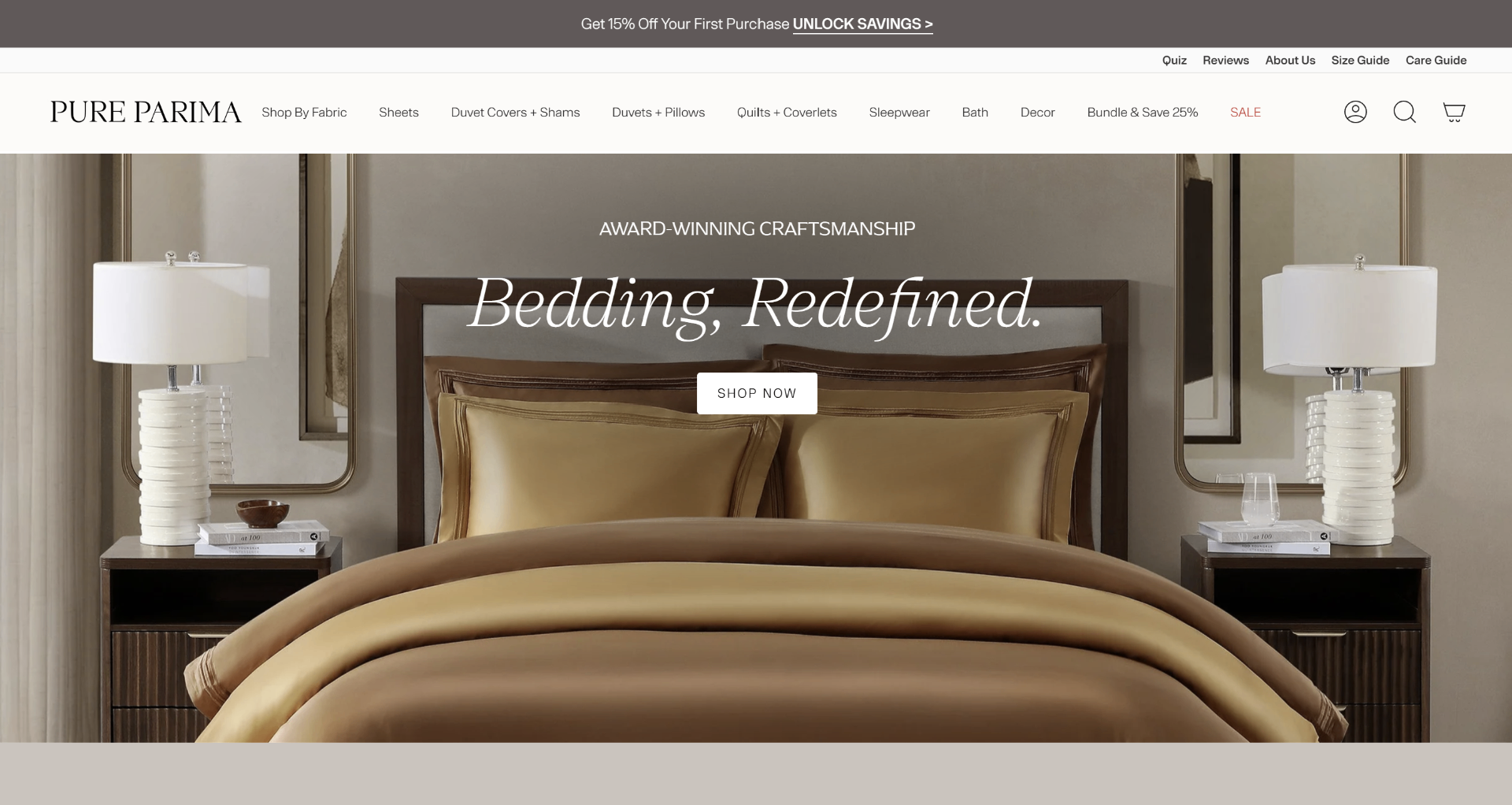
Pure Parima
Improved mobile PageSpeed from 29 to 87, with LCP dropping from 8.2s to 1.9s.
View Case Study
Therapevo
PageSpeed score from 32 to 96 with LCP optimized from 6.1s to 2.1s.
View Case Study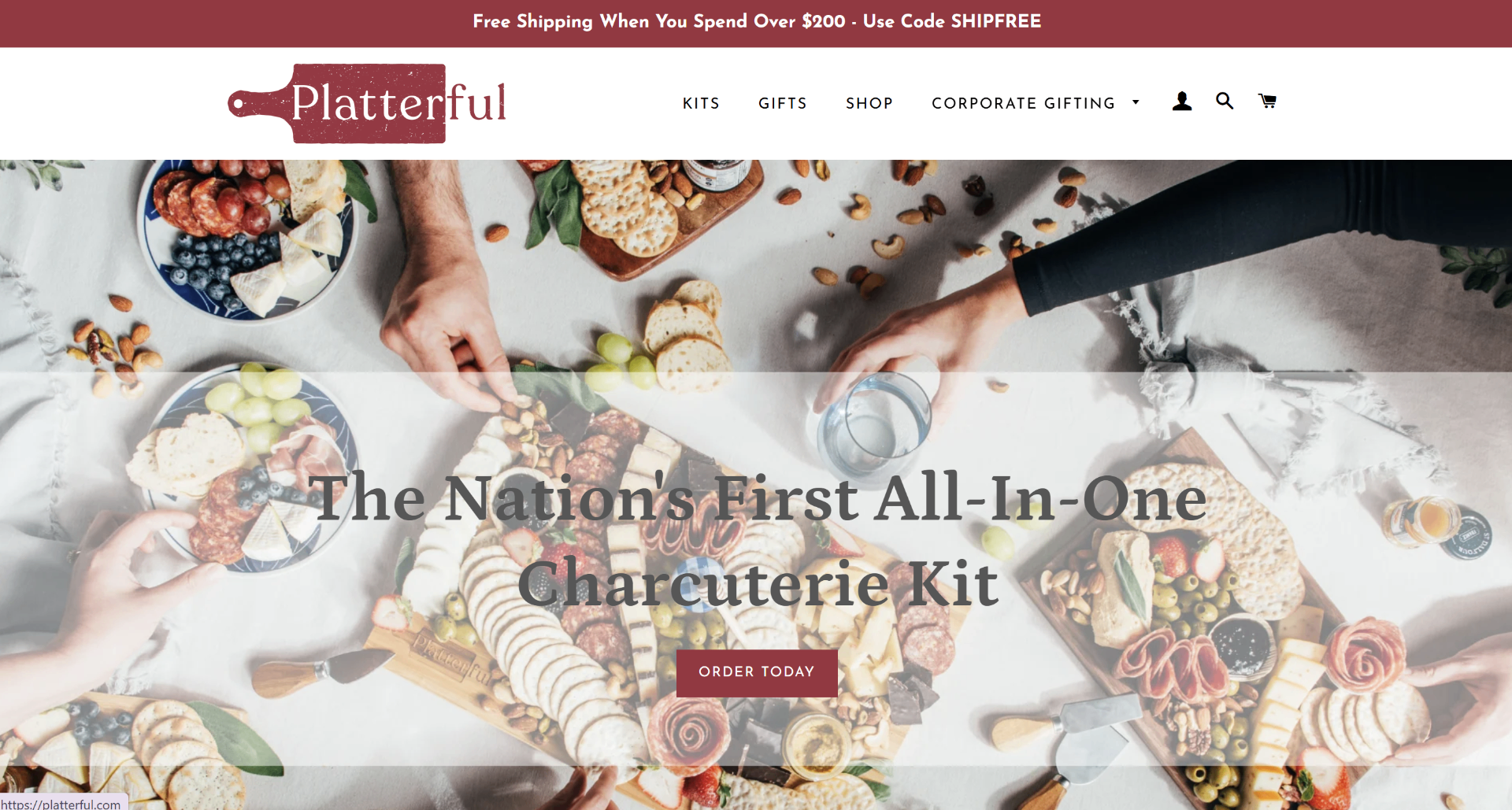
Platterful
80% speed improvement with hero image LCP optimized to under 2 seconds.
View Case StudyOur Process
How It Works
LCP Element Identification & Audit
We identify the exact LCP element on every key page template (homepage, product, landing, blog) and run a comprehensive waterfall analysis to determine what's delaying it — TTFB, render-blocking resources, image delivery, or JavaScript rendering.
Critical Path Analysis
We map the entire critical rendering path from DNS lookup to LCP paint, identifying every bottleneck: server response time, CSS delivery, font loading, image discovery timing, and JavaScript execution. You receive a ranked impact report.
Optimization Sprint
1–2 WeeksOver 1–2 weeks, we implement all fixes: TTFB reduction, Critical CSS inlining, hero image optimization, font delivery, resource hints, and render path restructuring. Your live site is never at risk — all changes are staged first.
Field Data Verification
2–4 WeeksWe monitor real-user LCP data via CrUX over 2–4 weeks, making iterative adjustments until LCP consistently passes Google's 2.5-second threshold in the 28-day rolling window — not just lab scores.
Deployment & Documentation
Once validated in the field, all changes go live. You receive complete documentation including before/after waterfall comparisons, an LCP budget for future development, and a monitoring dashboard setup.
Deliverables
What You'll Receive
Every LCP engagement includes comprehensive documentation and reporting.
Before/After Speed Report
PageSpeed and Core Web Vitals scores before and after optimization, with waterfall comparisons for every key page template.
LCP Waterfall Analysis
Detailed breakdown of every millisecond from navigation start to LCP paint — showing exactly what delayed your main content.
Critical CSS Report
Analysis of above-the-fold CSS extraction, unused CSS removal, and stylesheet delivery optimization with before/after render times.
Image Optimization Report
Hero image format, sizing, compression, and delivery optimization with before/after file sizes and load times.
Resource Loading Audit
Complete audit of resource hints, preload directives, and loading priorities with specific recommendations.
Competitor Speed Benchmark
How your site's LCP stacks up against 3–5 direct competitors with specific gap analysis.
Core Web Vitals Forecast
Projecting when LCP will move into the 'Green' zone in Google's 28-day CrUX rolling window.
Revenue Impact Projection
Custom report mapping your LCP improvements to projected revenue gains using your actual traffic and conversion data.
Google Ads / CPC Savings Report
Analysis of how improved LCP lowers your landing page experience penalty and reduces cost-per-click for paid campaigns.
30-Day Post-Launch Monitoring
30 days of LCP monitoring after deployment to ensure gains hold after content updates, deployments, or platform changes.
Font Performance Report
Analysis of web font loading strategy, format optimization, and subsetting with before/after rendering timeline.
Speed Budget Document
A living document setting LCP budgets for future development — max image sizes, CSS limits, and resource loading rules.
Executive Summary (1-Pager)
A non-technical summary for stakeholders showing what was done, what improved, and what it means in dollars.
Pricing
Estimate Your Investment
Answer a few quick questions about your site to get an instant ballpark. Final pricing is confirmed after an audit.
How much traffic does your site get?
How much custom code does your site have?
How many third-party tools are running?
Do you need Core Web Vitals optimization?
How many posts/pages and products does your site have?
Estimated Investment
$1,500 – $2,500
One-time optimization fee
Typical Timeline
5–7 days
Why this range
simple setup
Final quote + plan confirmed after audit
What We Optimize
LCP Optimization Expertise
Hero Image Optimization
Optimize hero images, banners, and above-the-fold visuals with modern formats, responsive sizing, and instant delivery.
Server Response Tuning
Reduce TTFB through CDN configuration, caching strategies, and edge delivery for faster document arrival.
CSS Delivery Engineering
Extract and inline Critical CSS, defer non-essential stylesheets, and eliminate unused CSS for unblocked rendering.
Font Performance
Self-host, preload, subset, and optimize web font delivery to prevent text-based LCP delays.
Resource Priority Management
Engineer the loading waterfall with preload, preconnect, and fetchpriority to ensure LCP resources load first.
JavaScript Render Optimization
Defer non-critical JS, implement SSR/prerendering, and optimize client-side rendering for faster LCP on JS-heavy sites.
Deep Dives
LCP Optimization Guides
Go deeper with our free expert guides on Largest Contentful Paint optimization.
FAQ
Frequently Asked Questions
Ready to Fix Your LCP?
Request an audit and see exactly what's delaying your Largest Contentful Paint — and how we'll fix it.